
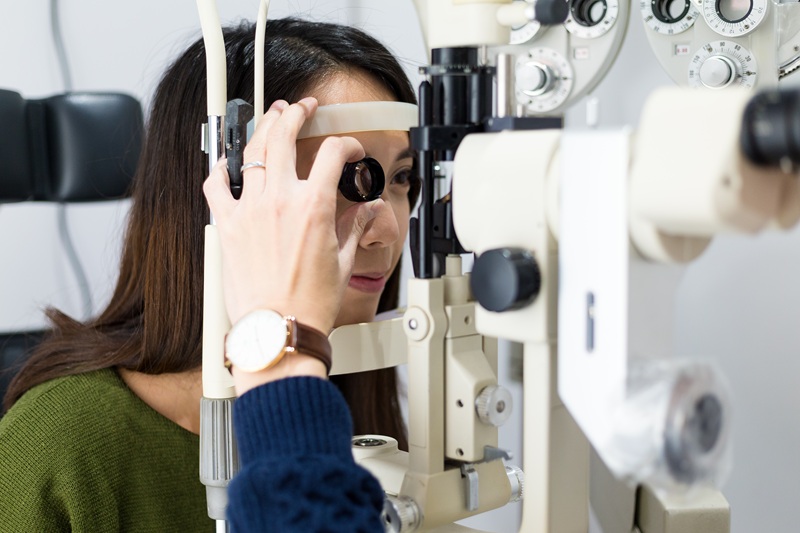
Most experts, including the Canadian Association of Optometrists, recommend that children undergo their initial comprehensive eye exam between six and seven months of age, then another around age 3, and again before starting school (around age 5). After that, they should have annual exams to monitor healthy development. Early exams help detect issues such as lazy eye, crossed eyes, and focusing problems before they impact learning and development.
Why Early Eye Exams Are So Important?
Vision problems often go unnoticed because kids don’t always know their vision is blurry — they assume what they see is normal. Undetected vision problems can lead to developmental delays, poor school performance, and behavioral issues. An early eye exam ensures your child’s eyes are developing normally, checks for eye coordination, and screens for conditions like:
- Amblyopia (lazy eye)
- Strabismus (eye turn)
- Refractive errors (nearsightedness, farsightedness, astigmatism)
When Should Each Age Group Get an Exam?
1. Infants (6–9 Months)
The first exam checks eye alignment, movement, and early focusing. Early detection here can prevent long-term problems.
2. Preschoolers (Around Age 3)
This visit checks visual acuity, eye coordination, and focusing — ensuring eyes are ready for learning.
3. Before Kindergarten (Age 4–5)
This is a crucial check before starting school. Poor vision can make it hard for kids to read, focus, and enjoy learning.
4. School-Age Children
Annual exams are recommended because vision can change quickly as kids grow.
Signs Your Child Might Have a Vision Problem
Even between exams, watch for these signs:
- Squinting or covering one eye
- Frequent eye rubbing
- Sitting too close to screens or books
- Head tilting or turning.
. - Complaints of headaches or double vision
- Difficulty concentrating
What Happens During a Child’s Eye Exam?
A children’s eye exam is designed to be friendly and stress-free. It may include:
- Checking eye alignment and tracking
- Testing visual acuity (how clearly your child sees)
- Measuring focusing ability
- Looking for refractive errors
- Examining overall eye health
How Eye Exams Affect School Readiness?
Vision is critical for learning — about 80% of classroom learning is visual. Poor vision can cause frustration, lower confidence, and behavioural issues. Early treatment helps kids succeed academically and socially.
Blue Light and Kids’ Eye Health
Children today spend more time on screens than ever, which can lead to eye strain and disrupted sleep patterns. Your optometrist can recommend computer lenses, blue light filters, or lifestyle tips to protect your child’s vision.
Tips for a Stress-Free First Eye Exam
- Schedule early in the day when your child is alert.
- Explain simply what will happen: “The doctor will look at your eyes with lights.”
- Bring comfort items like a favourite toy.
- Stay positive — kids pick up on your attitude.
Key Takeaways
Your child’s first eye exam is an essential step in protecting their vision and supporting their learning. Start with a comprehensive eye exam between 6–9 months, then repeat at age 3, before school, and every year after. Early detection makes treatment easier, helps your child thrive, and sets them up for success — in school and beyond.
FAQ's:
At what age do most kids start wearing glasses?
It varies, but many children receive their first pair between the ages of 3 and 7, when vision problems are first detected.
Does insurance cover children’s eye exams in Ontario?
Yes — OHIP covers annual eye exams for children under 19.
Can my child play sports with glasses?
Absolutely — sports goggles or contact lenses can be recommended for active kids.