
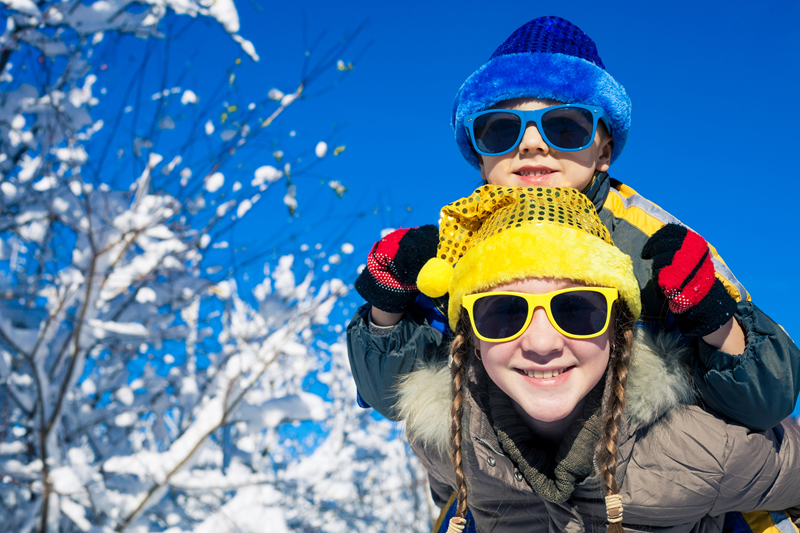
Yes — you absolutely need sunglasses in winter! Even on cloudy days, harmful UV rays and glare from snow can damage your eyes. Wearing sunglasses in winter protects you from snow blindness, reduces eye strain, and keeps your vision clear while driving.
Why Sunglasses Are Essential in Winter?
Many people assume sunglasses are just for summer, but winter sunlight can actually be more dangerous for your eyes. When sunlight hits snow or ice, up to 80% of UV rays are reflected into your eyes — that’s nearly double what you’d get from sand or water in summer. Without protection, your eyes are exposed to:
- Snow blindness is a painful situation caused by UV rays, much like getting a sunburn on the cornea.
- Increased risk of cataracts & macular degeneration – due to prolonged UV damage.
- Glare & poor visibility – which makes winter driving riskier.
The Science Behind Winter Sunlight
Even though it feels colder, UV rays don’t take a break in winter. The sun’s angle may be lower, but its UV intensity remains strong. Add in reflective snow, and you get double the exposure.
This is why experts recommend sunglasses or goggles with 100% UVA/UVB protection whenever you spend time outdoors in winter.
Benefits of Wearing Sunglasses in Winter
Here’s why your sunglasses should be a year-round accessory:
1. Protect Your Eyes from UV Damage
Sunglasses shield your cornea, lens, and retina from harmful ultraviolet rays that can lead to long-term vision issues.
2. Reduce Glare for Safer Driving
Winter roads can be blinding when sunlight reflects off ice and wet pavement. Polarized sunglasses cut glare, improving reaction times.
3. Prevent Eye Fatigue
Squinting all day strains your eye muscles and causes headaches. Sunglasses keep your vision comfortable and clear.
4. Keep Out Wind & Debris
Dry, cold wind can make your eyes water and worsen irritation. Wraparound styles offer extra protection.
Choosing the Right Sunglasses for Winter
Not all sunglasses are created equal. Here’s what to look for:
1. 100% UV Protection
Always check that your lenses block 100% of UVA and UVB rays — this is non-negotiable for proper eye health.
2. Polarized Lenses
Polarization reduces glare and improves contrast, which is essential for safe driving or skiing.
3. Lens Colour
- Gray lenses – Best for everyday use, providing accurate colour perception.
- Brown/amber lenses – Great for snowy conditions, improving contrast.
- Yellow lenses – Ideal for cloudy, low-light days.
4. Frame Fit
Look for a snug, comfortable fit that keeps light from sneaking in from the sides. Wraparound styles work best for sports or windy days.
Common Myths About Winter Sunglasses
Many people skip sunglasses in winter because of misconceptions. Let’s bust a few:
- Myth: “The sun isn’t strong in winter.”
Truth: UV exposure is year-round, and snow can double your exposure. - Myth: “Cloudy days don’t require sunglasses.”
Truth: Up to 80% of UV rays still penetrate clouds.
Myth: “Sunglasses are only for fashion.”
Truth: They are essential eye protection — style is just a bonus.
Winter Sports and Sunglasses
If you ski, snowboard, or spend long hours outside, sunglasses or goggles aren’t optional — they’re a must.
- Ski goggles with UV protection keep snow, wind, and glare out.
- Polarized sunglasses enhance contrast, helping you see bumps and ice patches clearly.
When to See an Eye Doctor?
If you experience:
- Persistent eye pain
- Blurry vision after outdoor exposure
- Sensitivity to light that doesn’t go away
Book an eye exam. Your optometrist can rule out snow blindness, corneal damage, or other UV-related eye conditions.
Key Takeaways
- Yes, you need sunglasses in winter.
- UV rays and glare are strong year-round, especially on snowy days.
- Choose polarized, 100% UV-protective sunglasses for maximum safety.
Visit your optometrist for a professional recommendation if you have vision issues or spend lots of time outdoors.
FAQ's:
Can I get prescription sunglasses for winter?
Yes — prescription sunglasses are available in polarized and photochromic options for clear winter vision.
What lens colour is best for driving in snow?
Brown or amber lenses improve contrast and depth perception in snowy conditions.
How often should I replace sunglasses?
Replace them every 2–3 years or sooner if the UV coating becomes scratched or worn.