
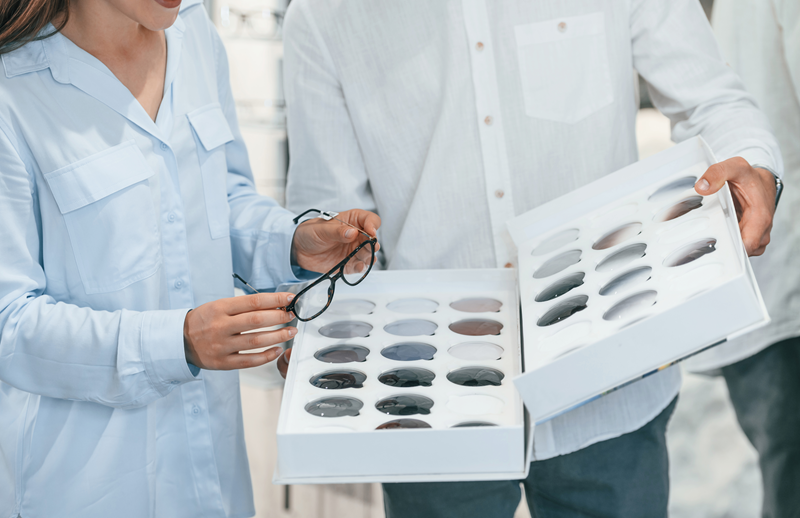
Most people should replace their glasses every 1–2 years, but you don’t have to wait until then if you notice changes in your vision, lens damage, or headaches. If your prescription is outdated, frames feel uncomfortable, or your lenses are scratched, it’s time for an upgrade.
Why Do Glasses Need Replacing Regularly?
Eyeglasses are not a one-time purchase — they’re part of your ongoing eye health routine. Over time, prescriptions change, frames loosen, and lenses lose clarity due to scratches or worn coatings. Replacing your glasses ensures you see clearly, reduces eye strain, and allows you to stay comfortable in daily life.
How Often Should You Replace Your Glasses?
Experts recommend replacing glasses every 12–24 months — or sooner if your optometrist updates your prescription.However, frequency depends on:
- Your age (children may need replacements more often as their eyes develop).
- Your prescription strength (higher prescriptions often need adjustments sooner).
Your lifestyle (if you work at a screen or spend time outdoors, coatings may wear faster).
5 Signs It’s Time to Replace Your Glasses
If you’re unsure whether it’s time for new glasses, look out for these clear warning signs:
1. Your Vision Feels Blurry or Strained
If you find yourself squinting more, holding objects closer or farther away, or struggling with night driving, your prescription may have changed.
2. Frequent Headaches or Eye Fatigue
Headaches that start after long workdays or screen time can mean your glasses aren’t doing their job anymore.
3. Scratched or Damaged Lenses
Even tiny scratches can distort light, reduce clarity, and cause glare — especially noticeable while driving at night.
4. Loose, Bent, or Uncomfortable Frames
If your glasses slip off, pinch your nose, or feel crooked, they’re no longer fitting properly.
5. You Want a Style Upgrade
Glasses are not just for vision — they’re a fashion statement. If your frames feel outdated or you want a new look, upgrading can boost confidence.
The Role of Annual Eye Exams
Even if your glasses feel fine, annual eye exams are crucial. Your optometrist can:
- Detect small prescription changes before they affect daily life.
- Watch for early warning signs of eye diseases such as glaucoma or cataracts.
Recommend coatings or lens types that suit your lifestyle.
Benefits of Updating Your Glasses Regularly
Replacing your glasses on time means:
- Better vision – no more squinting or headaches.
- Healthier eyes – updated coatings protect from UV and blue light.
- More comfort – better fit and lighter frames.
Boosted confidence – fresh, stylish look.
Key Takeaways
- Replace glasses every 1–2 years or sooner if you notice vision changes.
- Look for signs like blurry vision, headaches, scratched lenses, or loose frames.
Annual eye exams keep your prescription up-to-date and protect your eye health.
FAQ's:
How do I know if my glasses prescription is outdated?
Blurry vision, headaches, and eye fatigue are common signs. Book an eye exam to check if you need new glasses.
Can I keep old frames and just replace lenses?
Yes, if your frames are in good condition, most optical stores can fit new lenses into them.
What’s the average lifespan of glasses?
Around 1–2 years, depending on usage and how well you maintain them.